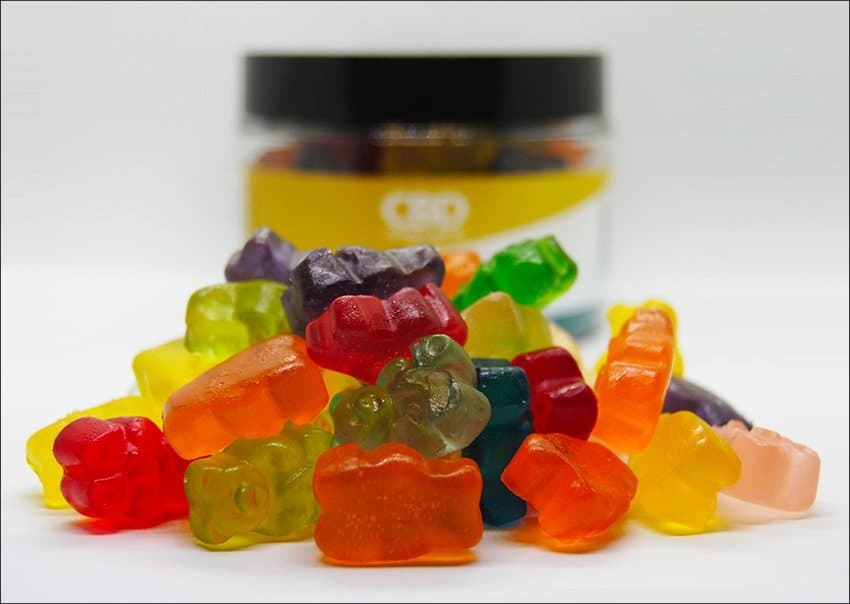
As we look toward 2026, the conversation around mushroom gummies and their legal status becomes increasingly pertinent. Mushroom gummies, often infused with compounds like psilocybin or other adaptogenic mushrooms such as lion’s mane and reishi, have gained popularity for their potential health benefits. However, the legality of these products varies significantly across different jurisdictions.
Psilocybin mushrooms, commonly known as magic mushrooms, contain a psychoactive compound that has been the focus of both medical research and recreational use. In recent years, there has been growing interest in psilocybin for its potential therapeutic effects on mental health conditions such as depression and PTSD. This interest has spurred legislative changes in some regions. For instance, by 2023 several U.S. states had decriminalized or even legalized psilocybin for therapeutic use under strict regulations.
As we approach 2026, it is expected that more jurisdictions may follow suit due to mounting evidence supporting the benefits of psilocybin-assisted therapy. However, this does not necessarily mean mushroom gummies containing psilocybin will be widely available legally everywhere. The legal landscape is complex and influenced by local cultural attitudes towards psychedelics and drug policy reform movements.
In places where psilocybin remains illegal or heavily regulated, mushroom gummies made from non-psychoactive varieties like lion’s mane or cordyceps are generally are mushroom gummies legal in 2026 permissible. These types of fungi do not contain psychoactive compounds but are instead celebrated for their potential cognitive-enhancing properties and immune support benefits.
The distinction between psychoactive and non-psychoactive mushroom products is crucial in understanding their legal status moving forward into 2026. Non-psychoactive mushroom gummies are likely to remain widely accessible globally due to their perceived safety profile and lack of controversial effects associated with psychedelics.
For consumers interested in exploring mushroom gummies legally by 2026, it will be important to stay informed about local laws governing both psychedelic substances and dietary supplements. Regulatory bodies like the Food and Drug Administration (FDA) in the United States play a significant role in determining which products can be marketed legally based on safety assessments.
Moreover, international treaties such as the United Nations Convention on Psychotropic Substances influence national policies regarding substances like psilocybin worldwide; thus changes at this level could impact global accessibility to psychedelic-infused products including gummy forms.
In conclusion without clear-cut universal legislation anticipated anytime soon regarding all forms of mushroom-derived edibles specifically those containing psychotropic agents – individuals should exercise caution when purchasing these items especially online where regulation might vary greatly depending upon geographical location ensuring compliance with applicable laws while enjoying any possible wellness advantages offered through properly vetted sources only .