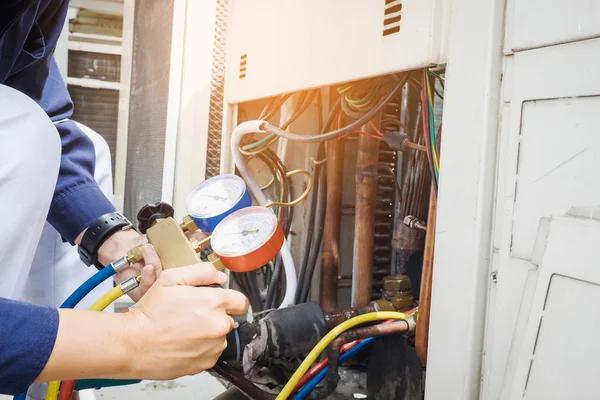
Preventative maintenance for heating systems is essential to ensure efficiency, safety, and longevity. An expert heating contractor emphasizes that regular upkeep can prevent costly repairs and unexpected breakdowns during cold months. One of the most important steps in maintaining a heating system is scheduling annual professional inspections. Technicians can identify potential issues early, clean vital components, and adjust settings for optimal performance. This proactive approach helps avoid emergency situations when the system is under heavy demand.
Homeowners should also pay attention to their furnace filters by checking them monthly and replacing them as needed. Dirty or clogged filters restrict airflow, forcing the system to work harder and consume more energy while reducing indoor air quality. Using high-quality filters designed for your specific unit enhances filtration efficiency without compromising airflow. Additionally, keeping vents and registers clean and unobstructed allows warm air to circulate freely throughout living spaces.
Another critical aspect involves inspecting thermostat settings regularly to ensure accuracy and proper programming. Modern thermostats often come with energy-saving features such as programmable schedules or smart controls that adapt to daily routines. Utilizing these functions can reduce unnecessary heating when no one is home, lowering utility bills without sacrificing comfort.
It’s also advisable to check the area around the furnace or heat pump for cleanliness and clear any debris or flammable materials nearby. Adequate clearance promotes safe operation by preventing overheating hazards while allowing easy access for maintenance tasks.
For homes with older systems using pilot lights or standing pilots, verifying that these components are functioning correctly is crucial since malfunctioning pilots pose safety risks like gas leaks or incomplete combustion producing carbon monoxide. Professional servicing ensures pilots ignite properly and safely.
In addition to mechanical checks, monitoring fuel levels if you use oil or propane heaters prevents running out during peak usage times which could cause damage from freezing pipes or other complications related to sudden loss of heat supply.
Regular lubrication of moving parts such as blower motors reduces friction wear over time; however, this task typically requires professional expertise due to specialized tools needed for disassembly.
Lastly, sealing leaks in ductwork improves overall system efficiency by ensuring heated air reaches intended rooms rather than escaping through cracks or gaps in ducts hidden behind walls or ceilings.
By following these preventative maintenance tips recommended by an expert heating contractor, homeowners can enjoy reliable warmth throughout winter while minimizing repair costs and extending the life of their heating equipment significantly.