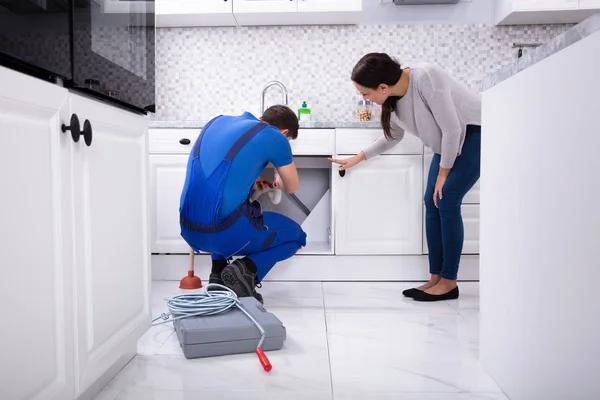
Ignoring damaged plumbing issues can lead to a range of serious long-term consequences that affect both the structural integrity of a property and the health and safety of its occupants. Initially, small leaks or minor pipe damages may seem insignificant, but over time they can escalate into major problems requiring costly repairs. Water damage from persistent leaks can weaken walls, ceilings, and floors, causing wood to rot and drywall to deteriorate. This deterioration not only compromises the aesthetic appeal of a home but also undermines its overall stability.
Another significant consequence is mold growth. Moist environments created by undetected or unaddressed plumbing issues provide an ideal breeding ground for mold spores. Mold not only damages building materials but also poses health risks such as respiratory problems, allergies, and other illnesses. Prolonged exposure to mold-contaminated air can exacerbate conditions like asthma and bronchitis in vulnerable individuals.
Additionally, damaged plumbing can lead to increased water bills due to continuous leakage or inefficient water flow caused by blockages or broken pipes. Over time, these expenses add up substantially compared to the cost of timely repairs. Ignoring these problems often results in learn more about it here extensive damage that requires complete pipe replacements rather than simple fixes.
Structural damage caused by water infiltration affects foundations as well. When water seeps into a building’s foundation through cracks or faulty drainage systems linked with plumbing failures, it weakens the base on which the entire structure rests. Foundation issues are complex and expensive to repair; they may cause uneven floors, cracked walls, doors that do not close properly, and even jeopardize the safety of residents if left unattended.
Furthermore, ignoring damaged plumbing increases the risk of contamination within drinking water supplies if pipes corrode or burst near sewage lines or other pollutants. Contaminated water presents severe health hazards including gastrointestinal infections and exposure to harmful bacteria or chemicals.
In some cases where leaks occur behind walls or under floors without detection for extended periods, hidden damage accumulates silently until it manifests as visible signs like stains or odors-by then repair costs have escalated significantly due to secondary impacts on electrical wiring or insulation materials nearby.
Addressing plumbing issues promptly is essential for maintaining property value as well since prospective buyers are deterred by evidence of unresolved maintenance concerns which suggest neglectful ownership practices.
In summary, disregarding damaged plumbing leads not only to financial burdens but also compromises living conditions through structural degradation and potential health threats over time. Early intervention prevents escalation ensuring safer homes with lower long-term maintenance costs while protecting occupant wellbeing effectively.