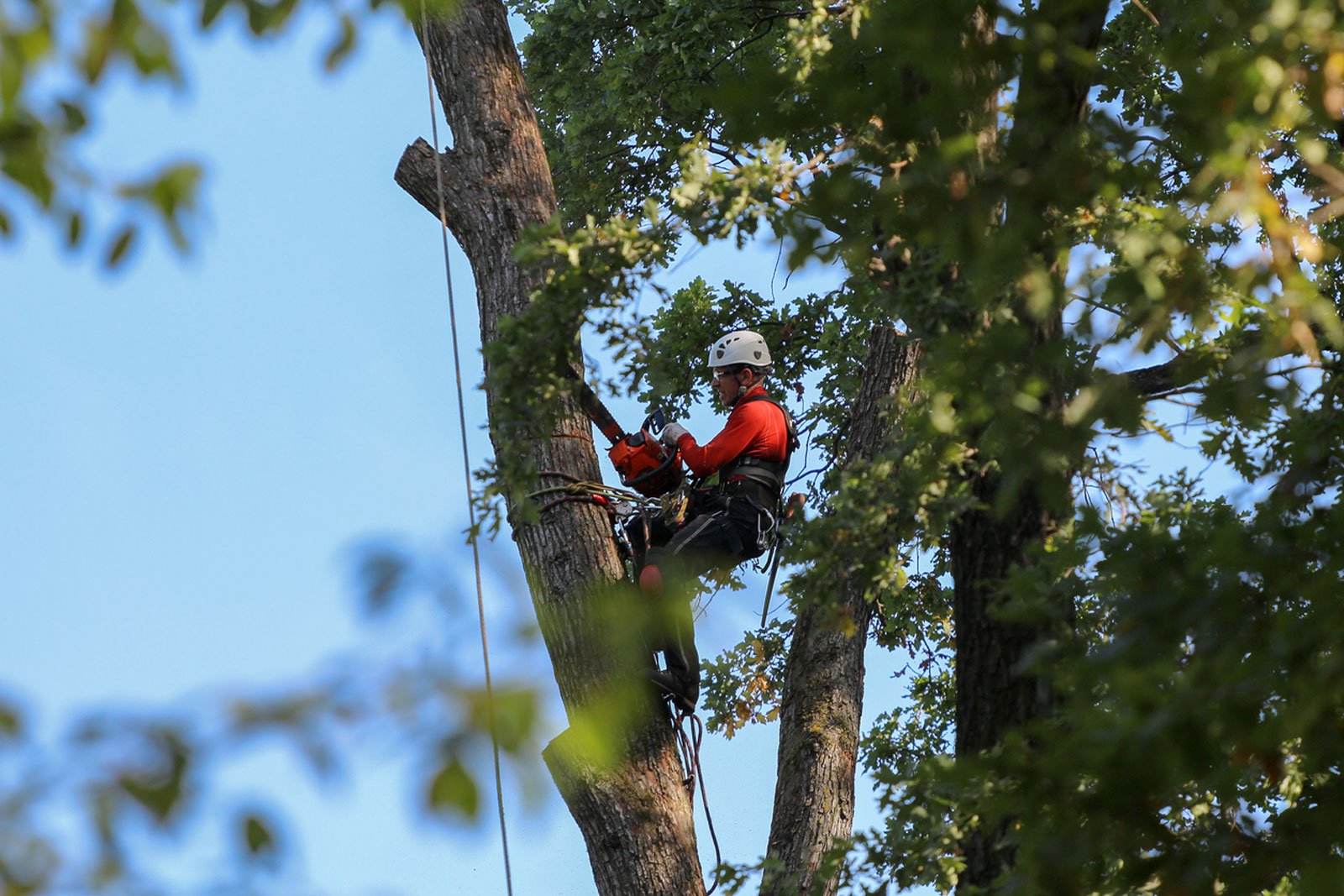
When hiring a roofing contractor, understanding the types of insurance coverage they should have is essential for protecting both parties involved. Roofing work involves significant risks due to the nature of the job, including working at heights, handling heavy materials, and exposure to unpredictable weather conditions. Adequate insurance safeguards homeowners from potential financial liabilities if accidents or damages occur during the project. One of the primary forms of insurance a roofing contractor must carry is general liability insurance. This coverage protects against third-party claims for bodily injury or property damage that may happen on or near the worksite. For example, if a worker accidentally damages a neighbor’s property while installing shingles or if someone visiting explore the options site slips and falls, general liability insurance helps cover medical expenses and repair costs without burdening the homeowner.
In addition to general liability, workers’ compensation insurance is crucial for any roofing company employing staff. Roofing involves physical labor with inherent dangers such as falls from ladders or roofs and injuries caused by tools or equipment. Workers’ compensation provides benefits to employees who suffer job-related injuries or illnesses by covering medical bills and lost wages during recovery periods. This type of coverage not only supports injured workers but also protects homeowners from being held liable for workplace accidents on their property.
Another important consideration is commercial auto insurance when contractors use vehicles as part of their business operations. Since roofing companies often transport materials and equipment using trucks or vans, this policy covers damages resulting from vehicle accidents involving these business-owned automobiles.
Some contractors may also carry professional liability insurance, sometimes called errors and omissions insurance, which offers protection in cases where workmanship issues lead to financial losses for clients due to negligence or mistakes.
Before hiring a roofing contractor, it’s advisable to request proof of all relevant insurances along with up-to-date certificates issued by their insurers. Verifying that policies are active ensures you won’t be responsible for unexpected costs related to accidents during construction.
Choosing a properly insured roofing contractor provides peace of mind throughout your project by minimizing risk exposure while ensuring compliance with local regulations requiring specific coverage types within construction trades like roofing services. Ultimately, confirming adequate insurance helps maintain trust between homeowner and contractor while safeguarding investments in home improvement projects involving roof repairs or replacements.