Storm damage can have a significant impact on the integrity and safety of a roof, often leading to costly repairs if not detected early. Recognizing warning signs of storm damage is crucial for homeowners and property managers to prevent further deterioration and maintain the structural soundness of their buildings. One of the most common indicators of storm-related roofing issues is missing or damaged shingles. High winds during storms can lift, crack, or completely tear off shingles, leaving the underlying layers exposed to water infiltration. This exposure increases the risk of leaks and interior water damage.
Another clear sign involves granule loss from asphalt shingles. Granules serve as a protective layer against ultraviolet rays and physical wear; when they are blown off by hail or strong winds, shingles become vulnerable to premature aging and failure. Homeowners may notice granules accumulating in gutters or downspouts after severe weather events, which should prompt an inspection for potential shingle damage.
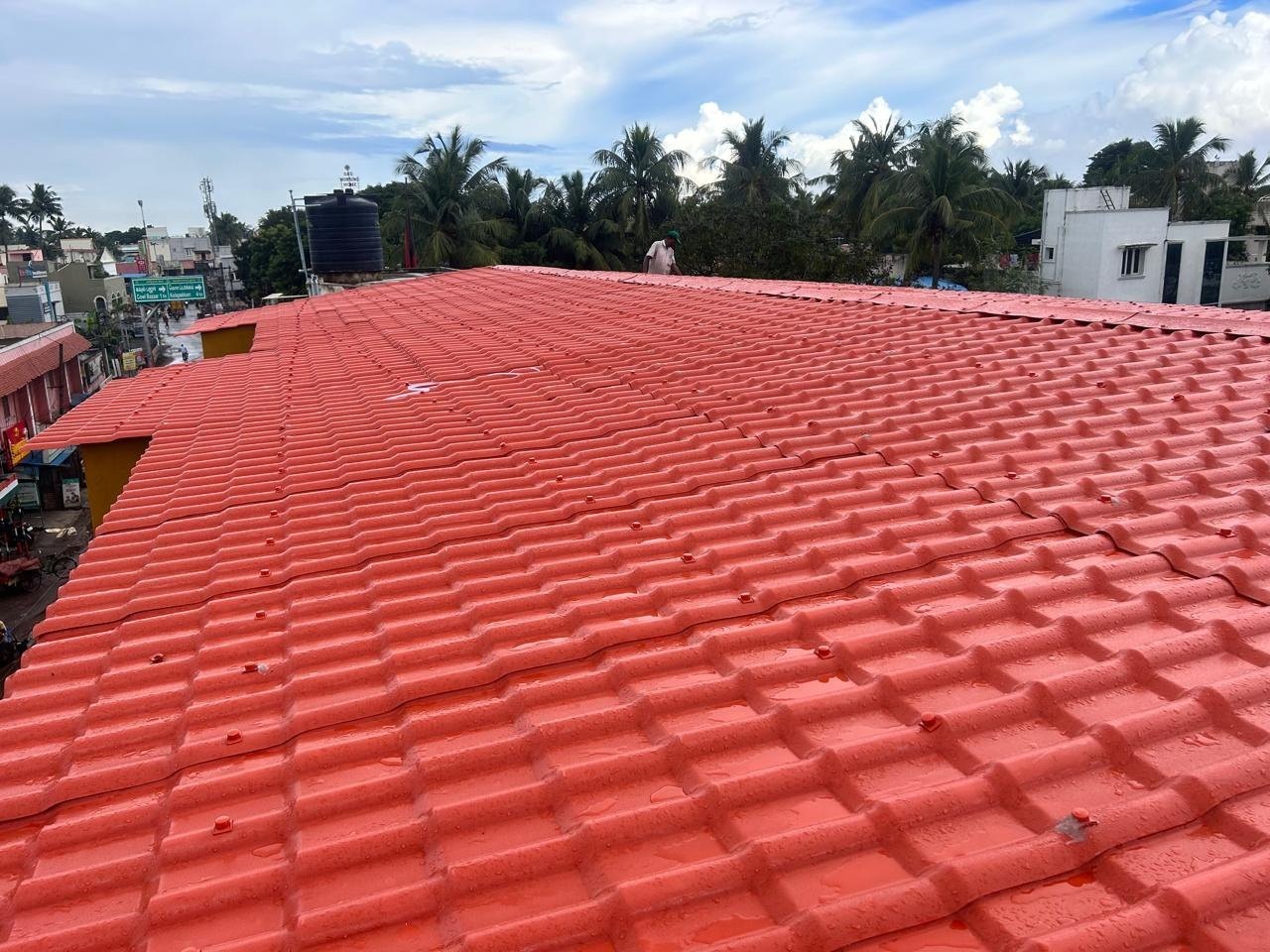
Cracked or broken tiles also point to storm damage, especially following hailstorms. Tile roofs are durable but not impervious; impacts from hailstones can fracture tiles, compromising waterproofing capabilities. Similarly, metal roofs might show dents or punctures caused by flying debris during storms. These imperfections weaken the roof’s get more insights ability to shed water effectively.
Flashing around chimneys, vents, skylights, and other protrusions is another area prone to storm-related harm. If flashing becomes loose or bent due to wind pressure or falling branches, it creates gaps where water can seep into the roof structure causing rot and mold growth over time.
Interior signs such as water stains on ceilings and walls often indicate that storm-damaged roofing has allowed moisture penetration inside the home. Persistent damp spots following heavy rain suggest compromised waterproofing layers above.
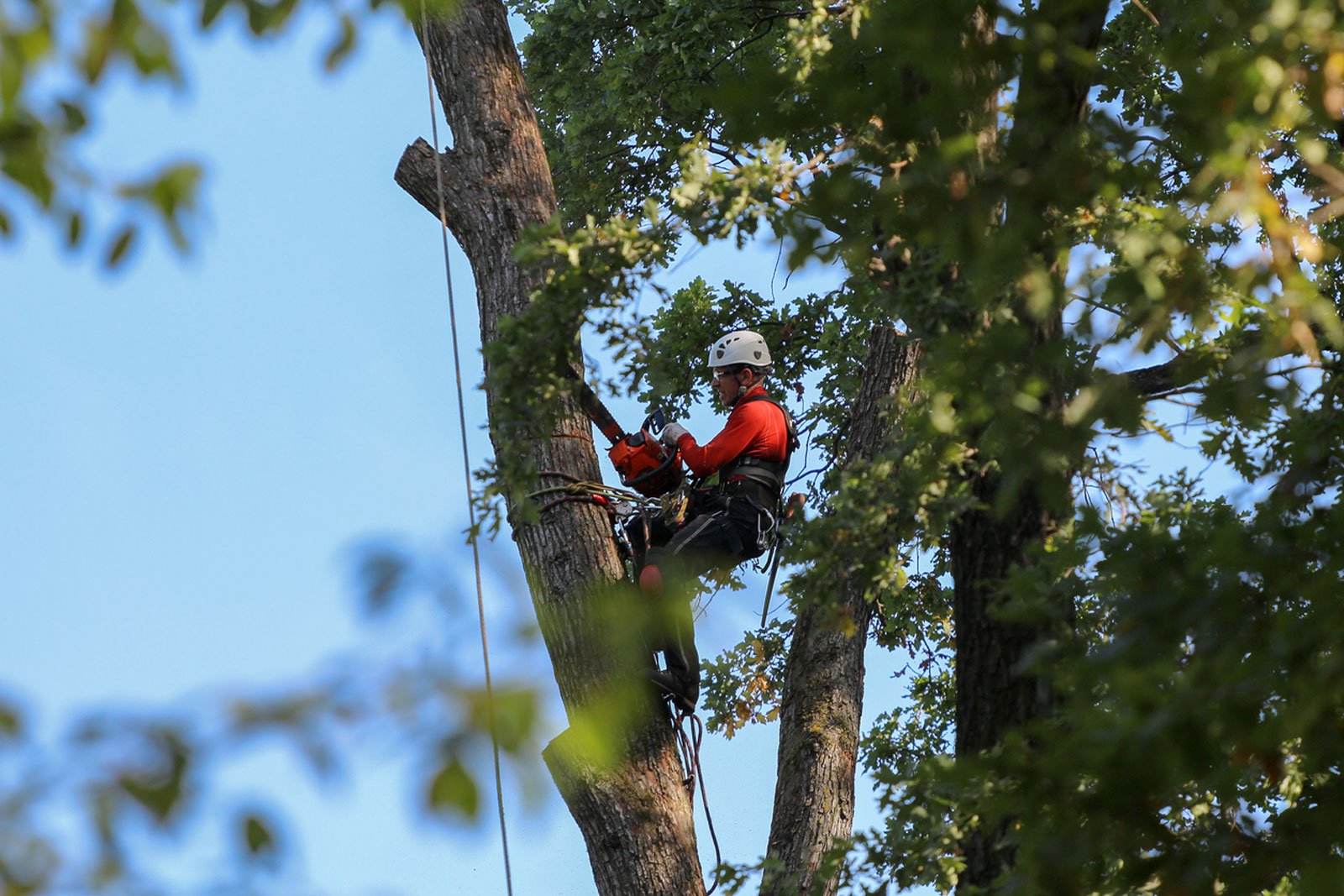
Additionally, gutters clogged with leaves and debris after a storm may signal that tree limbs have been broken off nearby; these limbs could have struck the roof causing unseen damage like punctures or loosened components.
Regular post-storm inspections conducted by qualified roofing professionals help identify these warning signs early before minor issues escalate into major problems requiring extensive repairs or replacement. Timely maintenance based on such evaluations preserves both property value and occupant safety while extending roof lifespan despite harsh weather conditions.
Being vigilant about changes in your roofing system after storms ensures prompt action can be taken when necessary-protecting your investment from long-term harm caused by undetected storm damage remains essential for all property owners in areas prone to severe weather events.