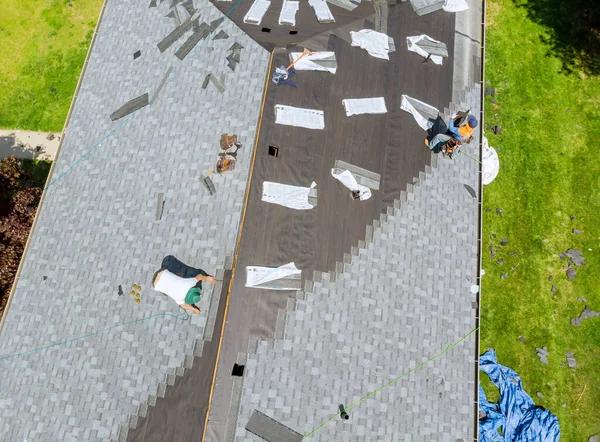
Inspecting your roof regularly is essential for homeowners in Seattle due to the region’s unique weather conditions. The city experiences frequent rain, occasional snow, and strong winds, all of which can affect the integrity of roofing materials over time. A thorough roof inspection helps identify potential problems early, preventing costly repairs and extending the life of your roof. When conducting a roof inspection in Seattle, begin by examining the shingles or roofing material for signs of wear and damage. Look closely for cracked, curled, missing, or loose shingles as these can allow water to penetrate beneath the surface. Pay special attention to areas around chimneys, vents, and skylights where flashing might be compromised or deteriorated.
Next, check for any evidence of moss or algae growth on the roof surface. Seattle’s damp climate encourages this type of growth which can retain moisture and accelerate shingle decay if left untreated. Removing moss promptly will help maintain proper drainage and prevent further damage. Inspect gutters and downspouts as well since clogged or damaged gutters can cause water overflow that harms both the roof edges and home foundation. Ensure gutters are securely attached with no sagging sections that could lead to pooling water.
Roofing Seattle
Take a close look at attic ventilation when possible because poor airflow contributes to excessive heat buildup during summer months and moisture accumulation during winter. Both conditions may weaken Three Tree Roofing materials from underneath or promote mold growth inside your home’s structure. Check insulation levels too; insufficient insulation increases energy costs while also affecting temperature regulation under your roof.
Look for signs of leaks inside your home by inspecting ceilings and walls near exterior walls under the eavesline where water intrusion often appears first as discoloration or stains. If you notice any soft spots on wooden structures such as rafters visible in an attic space, this could indicate rot caused by prolonged exposure to moisture.
Examine flashing around chimneys carefully since it is prone to rusting or cracking over time due to thermal expansion caused by Seattle’s fluctuating temperatures between day and night throughout seasons.
Finally, assess overall structural components like fascia boards supporting gutters along with soffits beneath eaves ensuring they remain intact without cracks or gaps allowing pests entry points into attics.
Regular inspections every six months-preferably before winter sets in-and after major storms will keep you informed about your roof’s condition so timely maintenance can be performed reducing risks associated with weather-related damages common in Seattle homes.
Keeping detailed records including photos during each inspection assists professionals should repairs become necessary later on while helping track deterioration trends over time making budgeting easier for future upgrades if needed.
Three Tree Roofing
1455 Leary Wy NW, Seattle, WA 98107
206-210-3300