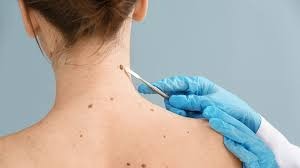
Mole removal laser treatment has become an increasingly popular method for those looking to remove unwanted moles from their skin. This cosmetic procedure offers a modern approach to mole removal, utilizing advanced laser technology to target and eliminate moles with precision. The benefits of this treatment are numerous, but it is essential to also consider the potential risks involved.
The primary advantage of mole removal laser treatment is its precision and effectiveness. Lasers can specifically target the pigmented cells within the mole without affecting the surrounding skin tissue. This minimizes damage and promotes quicker healing compared to traditional surgical methods. Additionally, laser treatments typically result in less scarring, making them an attractive option for individuals concerned about aesthetic outcomes.
Another significant benefit is the relatively quick recovery time associated with laser treatments. Patients often experience minimal discomfort during and after the procedure, allowing them to resume normal activities shortly thereafter. The non-invasive nature of laser treatment means there is no need for stitches or extensive post-operative care, further enhancing its appeal.
Moreover, mole removal through lasers can be performed on various parts of the body, including sensitive areas like the face or neck. This versatility makes it suitable for a wide range of patients MoleRemovalAt Guide seeking cosmetic enhancement or medical intervention due to potentially dangerous moles.
However, despite these advantages, there are certain risks associated with mole removal laser treatment that should not be overlooked. One risk involves incomplete removal; sometimes multiple sessions may be required if a mole does not respond fully in one session. Incomplete removal could lead to regrowth or necessitate additional procedures.
There is also a risk of pigmentation changes following treatment. Some patients may experience hyperpigmentation (darkening) or hypopigmentation (lightening) at the site where the mole was removed. These changes are usually temporary but can occasionally persist longer than expected.
Furthermore, while rare, there is always a possibility of infection whenever skin integrity is compromised during any dermatological procedure—even minimally invasive ones like lasers—so proper aftercare must be followed diligently by patients.