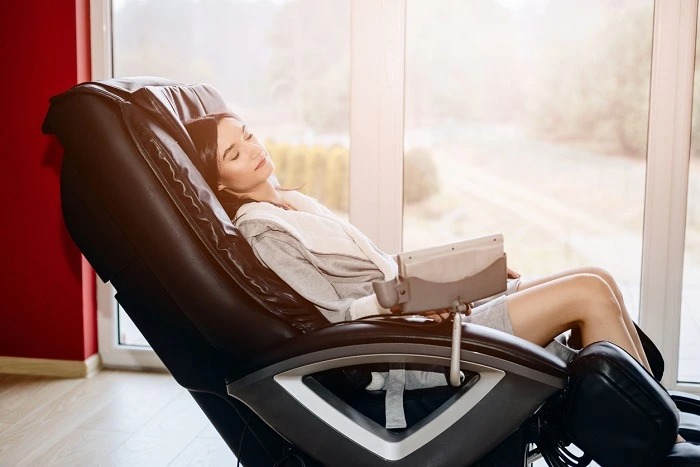
Massage chairs have become increasingly popular as a convenient way to experience relaxation and relief from muscle tension in the comfort of one’s home. These devices are designed to simulate the techniques used by professional massage therapists, targeting areas such as the back, neck, shoulders, and legs. While many users report positive effects like reduced stress, improved circulation, and alleviation of muscle soreness, it is important to consider whether massage chairs can cause any side effects.
Generally speaking, massage chairs are safe for most people when used according to the manufacturer’s instructions. However, there are certain circumstances where their use might lead to adverse effects or exacerbate existing health conditions. One common concern is that excessive or improper use may result in soreness or bruising. Since these machines apply mechanical pressure through rollers and airbags, individuals with sensitive skin or fragile blood vessels could experience discomfort after prolonged sessions.
Another potential side effect relates to underlying medical issues. People with certain conditions such as osteoporosis, deep vein thrombosis (DVT), varicose veins, herniated discs, or spinal injuries should exercise caution before using a massage chair reviews. The intense kneading motions and vibrations might aggravate these ailments rather than provide relief. It is always advisable for individuals with chronic health problems or recent surgeries to consult a healthcare professional prior to incorporating massage chair therapy into their routine.
In addition to physical risks, some users may experience temporary dizziness or lightheadedness following a session due to increased blood flow and relaxation responses triggered by the massage. This is typically mild and subsides quickly but can be concerning if it occurs frequently or severely.
Furthermore, overuse of massage chairs can potentially lead to dependency on mechanical massages while neglecting other essential aspects of self-care such as stretching exercises or physical activity. Relying solely on automated massages without addressing lifestyle factors may limit overall musculoskeletal health benefits.
It should also be noted that children and pregnant women represent special populations who need tailored advice before using these devices. For instance, pregnant women should avoid vigorous massaging around the abdomen area unless cleared by an obstetrician since this could pose risks during pregnancy.
In conclusion, while massage chairs offer numerous advantages for relaxation and muscle tension relief when used properly they generally do not cause serious side effects in healthy individuals. Nonetheless caution must be exercised by those with pre-existing medical conditions or vulnerabilities because misuse has the potential for negative outcomes ranging from minor bruising to exacerbation of deeper health issues. Consulting healthcare providers beforehand ensures safe integration of this technology into personal wellness routines without unintended consequences.