Regular maintenance of heating, ventilation, and air conditioning (HVAC) systems plays a crucial role in extending their operational lifespan. These systems are complex and involve numerous components that work together to regulate indoor climate efficiently. Without proper care, parts can wear out prematurely or fail unexpectedly, leading to costly repairs or the need for early replacement. Routine maintenance helps identify potential issues before they escalate into major problems, ensuring the system functions smoothly over time.
One of the primary ways HVAC maintenance extends system life is by keeping components clean and free from debris. Dust accumulation on filters, coils, and fans restricts airflow and forces uncover the secrets system to work harder than necessary. This extra strain increases energy consumption and accelerates wear on motors and compressors. Regularly replacing or cleaning filters allows air to circulate properly, reducing stress on critical parts while maintaining optimal efficiency.
Lubrication of moving parts during scheduled servicing also prevents friction-related damage. Bearings, belts, and other mechanical elements require appropriate lubrication to operate quietly and effectively. Neglecting this aspect can lead to overheating or premature failure due to excessive friction. Proper lubrication minimizes mechanical resistance within the system’s moving components, thereby prolonging their functional integrity.
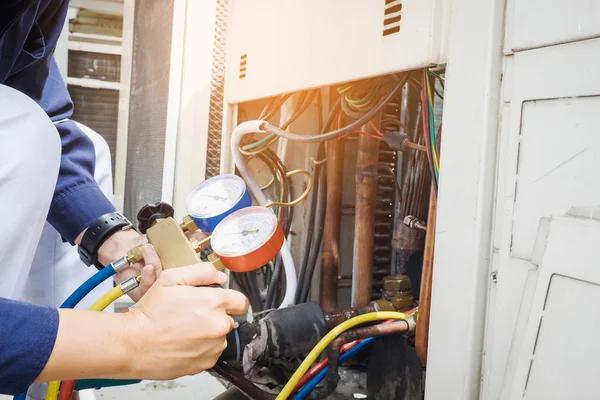
Another important factor is refrigerant level management during maintenance visits. The refrigerant absorbs heat from indoor air; if levels are low due to leaks or evaporation over time, cooling performance decreases significantly. Running a system with insufficient refrigerant causes compressors to overheat as they attempt to compensate for reduced cooling capacity. Detecting leaks early through routine checks allows technicians to recharge refrigerant levels promptly while preventing compressor damage.
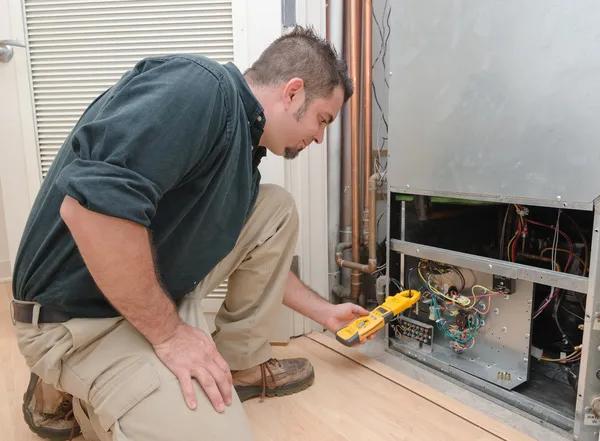
Electrical connections should also be inspected regularly as loose wiring or corroded terminals may cause intermittent operation or complete breakdowns in HVAC units. Tightening connections ensures consistent power delivery throughout the system’s electrical circuitry which supports reliable startup cycles without undue stress on electronic controls.
Furthermore, scheduling periodic professional inspections enables comprehensive evaluation beyond what typical users might notice themselves at home. Technicians can test thermostat calibration accuracy along with verifying safety controls such as limit switches that prevent overheating scenarios inside furnaces or heat pumps.
In summary, proactive HVAC maintenance addresses cleanliness issues, mechanical lubrication needs, refrigerant management requirements, electrical stability concerns, and overall performance verification through expert assessments-all contributing factors that collectively extend an HVAC system’s useful life while maximizing its reliability and energy efficiency for homeowners or businesses alike.