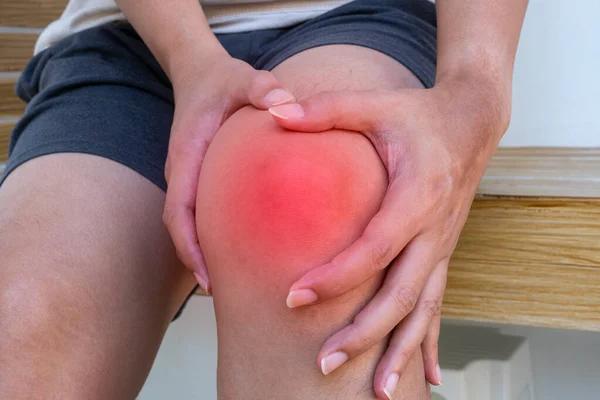
Knee pain is a common issue that affects people of all ages and can significantly impact daily activities. Managing knee pain without surgery involves a combination of lifestyle adjustments, physical therapies, and supportive treatments aimed at reducing discomfort and improving function. The first step in managing knee pain is to understand its cause, which may range from arthritis and ligament injuries to overuse or strain. Consulting a healthcare professional for an accurate diagnosis is essential before beginning any treatment plan.
One effective way to manage knee pain is through controlled exercise. Low-impact activities such as swimming, cycling, or walking help strengthen the muscles around the knee without causing further damage. Stronger muscles provide better support and stability to the joint, which can alleviate pressure on the affected area. Stretching exercises also improve flexibility and reduce stiffness in the knee joint. It is important to perform these exercises under guidance initially to avoid aggravating the condition.
Weight management plays a crucial role in reducing knee pain since excess body weight increases stress on the knees during movement. Losing even a small amount of weight can significantly decrease pressure on the joints and lessen pain levels. Adopting a balanced diet rich in anti-inflammatory foods like orthopedic surgeon dallas fruits, vegetables, whole grains, and omega-3 fatty acids supports overall joint health by minimizing inflammation.
Physical therapy offers tailored treatment plans that focus on strengthening specific muscle groups while enhancing balance and coordination around the knee. Therapists use techniques such as manual therapy, ultrasound therapy, or electrical stimulation alongside exercise programs designed for individual needs. These interventions help restore mobility while controlling symptoms effectively.
Pain relief methods include using cold packs shortly after activity or injury to reduce swelling followed by heat application later to relax muscles and promote blood flow. Over-the-counter medications like acetaminophen or nonsteroidal anti-inflammatory drugs (NSAIDs) may be recommended temporarily for managing acute discomfort but should be used cautiously under medical advice due to potential side effects with long-term use.
Supportive devices such as braces or orthotic inserts can provide additional stability during movement by correcting alignment issues or offloading stress from damaged areas within the knee joint. Proper footwear also contributes by cushioning impact forces when walking or running.
Incorporating mindfulness practices like yoga or meditation helps individuals cope with chronic pain by decreasing stress levels that often exacerbate symptoms physically and mentally. Combining multiple approaches tailored specifically for each person’s condition maximizes effectiveness in managing knee pain without resorting to surgical options.
By focusing on strengthening surrounding muscles, maintaining healthy weight, utilizing physical therapies, applying appropriate pain relief measures, wearing supportive devices properly, and embracing holistic wellness strategies one can successfully control knee discomfort while preserving mobility over time without invasive procedures.
Steven J Thornton, MD
7115 Greenville Ave ste 310, Dallas, TX 75231
214-265-3271