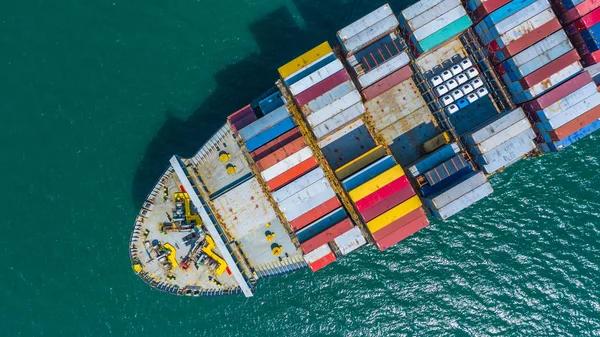
Freight forwarding to Canada involves navigating a complex network of regulations, documentation, and logistics that can challenge even experienced shippers. Achieving a smooth process requires careful planning and attention to detail from the outset. One of the most important strategies is thorough preparation of all necessary paperwork before shipment. Canadian customs authorities demand precise and complete documentation, including commercial invoices, bills of lading, certificates of origin, and any required permits or licenses depending on the goods being transported. Ensuring accuracy in these documents helps prevent delays or penalties at the border.
Understanding Canadian import regulations is equally critical. Different products may be subject to specific restrictions or standards enforced by agencies such as the Canadian Food Inspection Agency (CFIA) or Health Canada. Familiarity with tariff classifications under the Harmonized System (HS) codes used by Canada Border Services Agency (CBSA) facilitates correct duty assessments and tax calculations. Working closely with customs brokers who specialize in Canadian imports can provide valuable expertise in interpreting these rules and expediting clearance procedures.
Selecting an experienced freight forwarder familiar with routes into Canada adds significant value to any shipping operation. Reliable forwarders maintain strong relationships with carriers and customs officials while offering tailored solutions for various cargo types-whether by air, sea, rail, or road transport. They coordinate pickup schedules, consolidate shipments if needed, track goods throughout transit stages, and communicate proactively about potential disruptions such as weather events or regulatory changes.
Another key factor is choosing appropriate transportation modes based on cost efficiency and delivery timelines. For urgent shipments requiring rapid delivery across long distances within North America, air freight might be preferable despite higher expenses. Conversely, sea freight offers economical options for bulkier loads but demands longer lead times for port handling in cities like Vancouver or Montreal followed by inland distribution networks.
Packaging also plays a pivotal role in safeguarding goods during transit while complying with Canadian standards related to environmental sustainability and safety requirements. Properly labeled packages reduce inspection time at borders since inspectors can quickly verify contents without opening every container.
Finally, maintaining open communication channels among all parties involved-from suppliers through forwarders to consignees-ensures transparency throughout each phase of freight forwarding to canada‘s diverse markets. Proactive problem-solving combined with real-time tracking tools minimizes unexpected setbacks that could disrupt supply chains.
In summary, smooth freight forwarding operations destined for Canada hinge on meticulous document management aligned with regulatory compliance; partnering with knowledgeable brokers; selecting suitable transport modes; secure packaging practices; plus clear communication among stakeholders-all contributing toward timely deliveries that meet customer expectations efficiently within this regulated international trade environment.